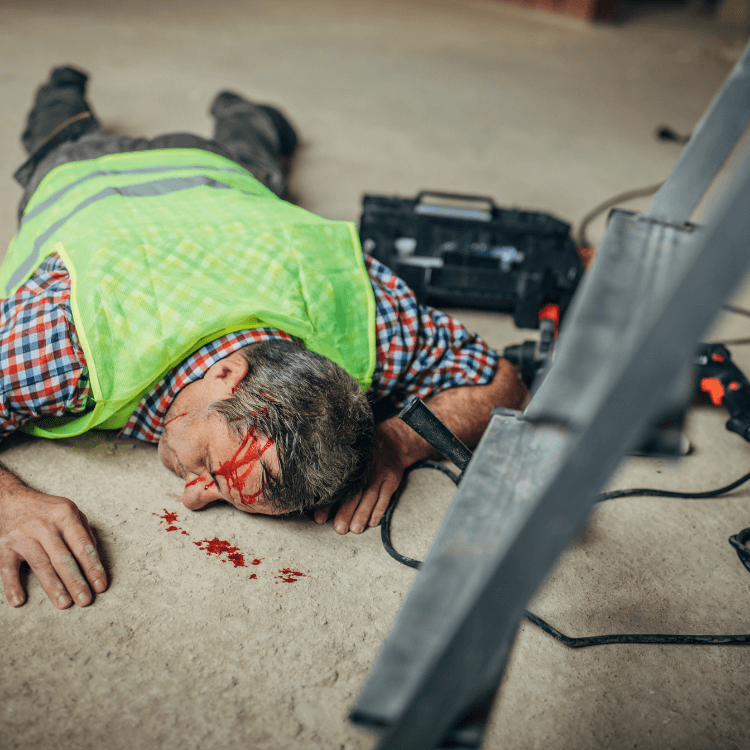
In the bustling world of construction, where every rivet and beam is meticulously placed to build the foundations of tomorrow, there’s an inherent risk that lurks beneath the surface. Construction sites are dynamic environments, teeming with heavy machinery, towering structures, and a myriad of hazards that can potentially lead to personal injury. For those unfortunate enough to experience an accident on a construction site, understanding the complexities of personal injury law is crucial. In this post, we’ll delve into the nuances of personal injury law in the construction field, shedding light on the rights and avenues available to those who have been injured.
The construction field includes a wide array of industries and positions like, electricians, plumbers, building contractors, carpenters, masons, heavy equipment operators, foundation repair services, welders, civil and structural engineers, surveyors, and site supervisors. All of these job titles can experience work related injuries at a higher rate than most other jobs.

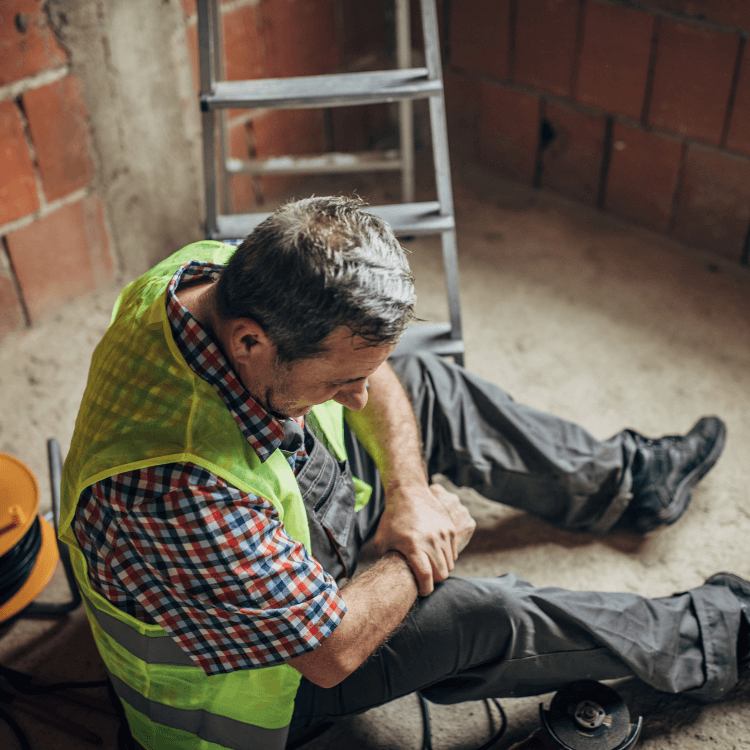
Construction sites are inherently hazardous workplaces, where accidents can occur due to various factors such as negligence, faulty equipment, inadequate safety protocols, or even human error. From falls and electrocutions to scaffolding collapses and crane accidents, the potential for injury is ever-present. According to the Occupational Safety and Health Administration (OSHA), the construction industry accounts for a significant portion of workplace injuries and fatalities each year.
When a construction worker sustains an injury on the job, they may be entitled to seek compensation through personal injury claims. However, navigating the legal terrain in the aftermath of an accident can be daunting, especially when dealing with complex laws and regulations specific to the construction industry. This is where the expertise of a seasoned personal injury lawyer becomes invaluable.
A skilled personal injury lawyer specializing in construction accidents can provide invaluable assistance in various ways:
- Case Evaluation: A thorough assessment of the circumstances surrounding the accident to determine liability and potential avenues for compensation.
- Evidence Gathering: Gathering crucial evidence such as witness testimonies, accident reports, medical records, and expert opinions to strengthen the case.
- Negotiation: Engaging in negotiations with insurance companies or other parties involved to secure a fair settlement that covers medical expenses, lost wages, pain and suffering, and other damages.
- Litigation: If a settlement cannot be reached, representing the injured party in court proceedings and advocating for their rights before a judge and jury.
Common Types of Construction Site Injuries
Construction site injuries can range from minor cuts and bruises to severe, life-altering conditions. Some of the most common types of injuries encountered in the construction field include:
- Falls from heights, such as roofs, ladders, or scaffolding.
- Crush injuries caused by heavy machinery or collapsing structures.
- Electrocution due to contact with live wires or faulty equipment.
- Struck-by accidents involving falling objects or moving vehicles.
- Respiratory illnesses from exposure to hazardous materials such as asbestos or silica.
Each of these injuries can have devastating consequences, leading to medical bills, lost income, and long-term disabilities. Seeking prompt legal representation is essential to ensure that the injured party receives the compensation they rightfully deserve.
Legal Protections for Construction Workers
In addition to personal injury claims, construction workers are also protected by various state and federal laws aimed at ensuring their safety and well-being on the job. These include:
- The Occupational Safety and Health Act (OSHA): Establishes workplace safety standards and regulations to prevent accidents and injuries in the construction industry.
- Workers’ Compensation Laws: Provide benefits to employees who suffer work-related injuries or illnesses, including medical expenses and lost wages, regardless of fault.
- Scaffold Law (New York): Imposes strict liability on property owners and contractors for injuries sustained by workers due to falls from elevated surfaces such as scaffolding or ladders.
By leveraging these legal protections and enlisting the support of a knowledgeable personal injury lawyer, construction workers can safeguard their rights and pursue justice in the event of an accident.
Construction sites are dynamic environments fraught with potential dangers, where the risk of personal injury looms large. In the aftermath of an accident, understanding the intricacies of personal injury law in the construction field is paramount. With the guidance of a skilled personal injury lawyer, injured parties can navigate the legal terrain with confidence, seeking the compensation they need to rebuild their lives and secure their future. Remember, when it comes to personal injury in the construction industry, legal expertise can make all the difference. Call Mundy Rogers today for a free consultation!